I believe that:
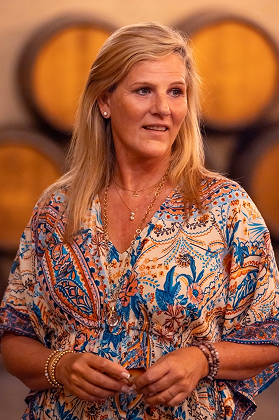
I was born in South Africa, a beautiful and complex land – a place that holds vast wealth alongside vast inequality, and the enduring consequences of systemic imbalance. These systems benefited some of us – I received education, security and opportunity – while others were denied dignity, land, culture and even the right to belong.
I have come to see that systems of domination wound everyone they touch, though not in the same ways and never to the same degree. My ancestors helped build these systems of harm, but those systems also separated them from the ability to feel, to relate, to revere. They forgot that we are not separate from the Earth, that we are not separate from each other. I inherited the rewards of these systems, but I also inherited their fractures. For years, I moved through the world with a sense of disconnection, an ache of not-belonging. A grief I couldn’t name and a guilt I couldn’t metabolise.
What changed everything was grief.
When my beloved husband died suddenly, my heart was broken open. Everything I thought I knew about safety, identity, community and belonging fell away and grief asked me to listen more deeply. In the void that followed, something ancient began to remember itself through me. The illusion of separation began to dissolve and I started to remember not who I had been taught to be, but who I have always been. I remembered that we are all parts of a living whole – that community is sacred, that the Earth is kin, and that true healing means right relationship – with ourselves, each other, and the Earth.
I also began to remember that lineage can move beyond blood and DNA. That memory lives in the body and in the land. That we are each part of something far older and vaster than we’ve been led to believe. And I came to understand legacy not as accumulation, but as participation, and I vowed that my legacy would not serve separation, it would serve restoration, repair and reconnection. That it would not uphold exclusion, but offer itself toward a more beautiful future for my own children and for children I may never meet.
The illusion of separation has led us to a precipice – the soil is dying, the waters are rising, our children are anxious and disconnected. This isn’t just climate collapse, it’s a collapse of meaning. But it is also a moment of radical choice, a critical juncture where our actions – or inactions – will determine whether we survive or go extinct. We are being asked to participate in remembering and reweaving a more beautiful future, not out of guilt, but out of the simple recognition that the future of our children is inseparable from the future of all children, that the wellbeing of our bodies cannot be separated from the wellbeing of the soil beneath our feet.
Living Ancestors was born of these understandings – that it is time for a sacred redefinition of wealth, legacy and inheritance – one that expands beyond family wealth and bloodlines to include our responsibility to humanity, to future generations and to Mother Earth herself.
We are being invited into a different understanding of belonging. Not just belonging to a family, a culture, or a bloodline – but to the wider web of life. Belonging rooted not in separation and scarcity, but in relationship, reciprocity and responsibility.
Living Ancestors is an invitation into a courageous Journey of Return: to ourselves, to each other and to the Earth. And, ultimately, an invitation to the work of becoming good ancestors: those who act consciously and intentionally in service of Earth and the collective, so that life may flourish beyond themselves, beyond their lifetimes, and beyond their bloodlines.